Claude vs ChatGPT is the comparison everyone asks about eventually, usually right after they hit a limitation on whichever one they started with first. Both are paid twenty dollars a month at the entry tier, both write, code, and research, and both claim to be the smarter option. After using them side by side on the exact same tasks for a month, the differences turned out to be more specific than either company’s marketing suggests.
Table of Contents
What Is the Claude vs ChatGPT Debate Really About?
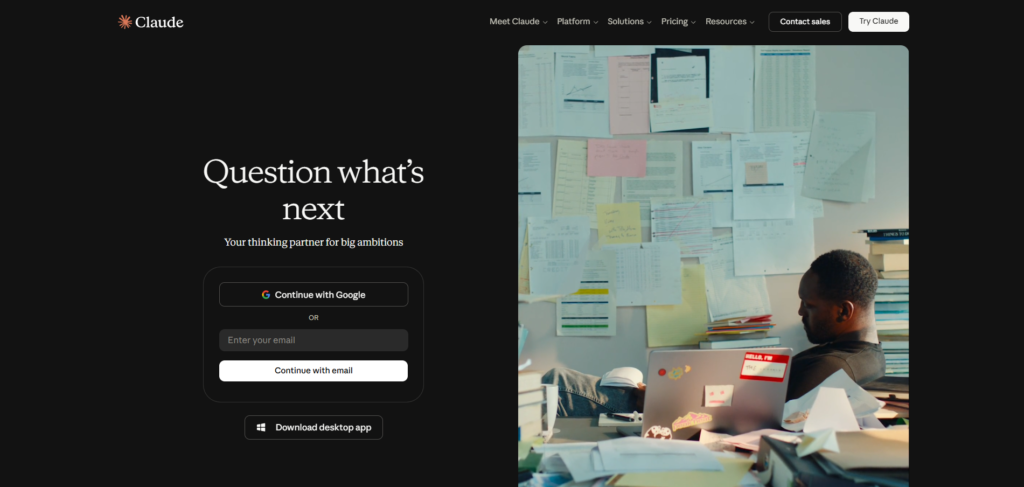
At its core, Claude vs ChatGPT is a comparison between two different philosophies wearing similar interfaces. Claude AI is built by Anthropic around a more restrained, careful approach to responses, while ChatGPT, built by OpenAI, has leaned into a broader, feature dense ecosystem that now spans well beyond a simple chat window.
ChatGPT runs on OpenAI’s GPT-5 family, currently defaulting to GPT-5.5 Instant for most conversations, with GPT-5.5 Thinking and the newer GPT-5.6 line available for harder reasoning tasks on paid plans. Claude AI runs Sonnet 5 by default across free and Pro tiers, with Opus 4.8 available as the top reasoning model. Neither company keeps model names static for long, so if you are reading this months after publication, both lineups have likely moved forward again.
The debate matters because these two tools increasingly do the same jobs, drafting emails, writing code, analyzing documents, answering research questions, but arrive at answers through noticeably different habits. ChatGPT tends to be more willing to take initiative, sometimes producing longer, more elaborate answers than requested. Claude tends to stay closer to exactly what was asked, which some people experience as more useful and others experience as less proactive.
A lot of the online debate around Claude vs ChatGPT gets stuck comparing benchmark scores, which change monthly and rarely reflect how either tool feels during actual daily use. We ran into the same trap testing what actually separates a genuinely useful AI agent from a gimmick, and the pattern holds here too, the tool that wins on a leaderboard is not always the one that fits your actual workflow best.
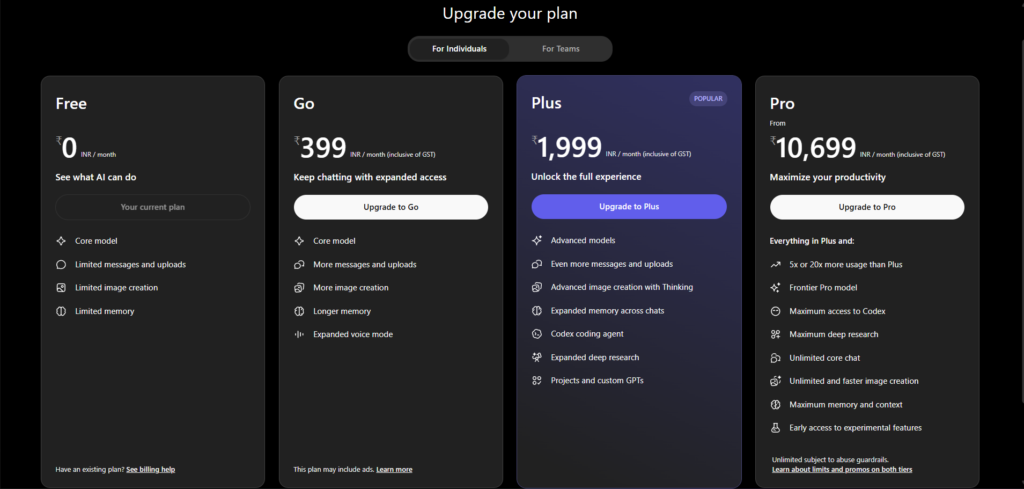
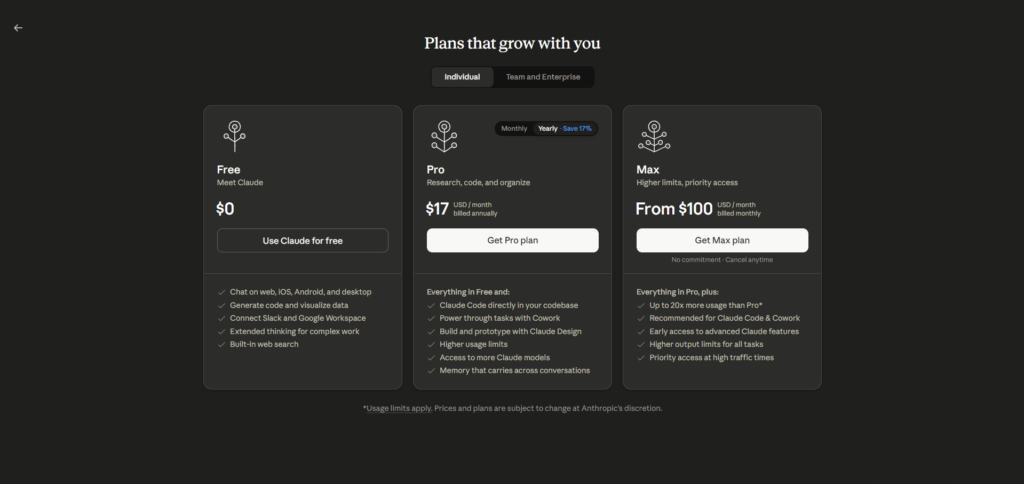
Pricing is nearly identical at the entry level, with both Claude Pro and ChatGPT Plus costing twenty dollars a month. Where they diverge is in what that twenty dollars actually includes, and that gap is where most people’s real preference ends up forming.
Why the Comparison Keeps Coming Up?
Part of why Claude vs ChatGPT stays such a persistent search topic is that both companies release updates on overlapping, unpredictable schedules. A comparison written in January can be outdated by March once either side ships a new model, which makes most “final verdict” style articles less useful than they claim to be. The honest approach is treating any comparison, including this one, as a snapshot of a specific month rather than a permanent ranking.
Another reason the debate persists is that neither tool has a decisive, universal advantage. If ChatGPT were simply better at everything, or Claude clearly won every category, the comparison would have settled itself by now. Instead, each has carved out specific strengths that show up differently depending on what you actually use an AI assistant for day to day.
How Claude and ChatGPT Actually Differ?
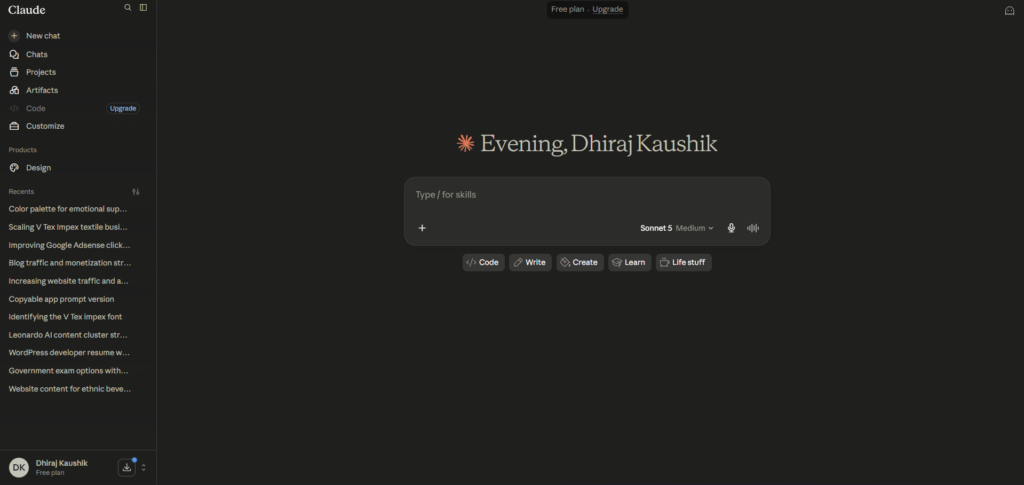
The most noticeable difference in day to day use is writing style. Claude AI tends to produce prose that reads more like a person wrote it in one sitting, without heavy bullet formatting unless you specifically ask for it. ChatGPT, especially in Instant mode, has a tendency to default to structured lists and bolded headers even for casual requests, which some users like for scannability and others find repetitive across a long conversation. Neither habit is objectively wrong, it simply means the two tools produce a different reading experience by default, and which one you prefer often comes down to whether you are writing something meant to be published as is or just skimmed for quick information.
Multimodal Features
ChatGPT has a significant edge in built in multimodal capability. It generates images natively, supports voice conversations with more polish, and integrates with a broader plugin ecosystem sometimes called GPTs, letting you extend functionality without leaving the chat window. Claude AI has no native image generation and a narrower set of built in tools, focusing instead on text, documents, and code.
This gap is deliberate rather than an oversight on Anthropic’s part. The company has consistently prioritized text based reasoning, coding, and safety research over expanding into generative media, which means anyone expecting Claude to eventually match ChatGPT’s image and voice capabilities feature for feature may be waiting a long time. If multimodal output is a core requirement rather than a nice extra, that alone may settle the comparison before you even get to writing quality or pricing.
Research and Live Information
Both tools support web search, but they handle it differently. ChatGPT’s Deep Research feature runs a longer, more thorough multi source investigation for complex questions, taking several minutes to produce a cited report. Claude’s web search is faster and more conversational, better suited to quick fact checks than exhaustive research reports. If citation heavy research is your main use case, it is worth seeing why some researchers skip general chat assistants entirely for a dedicated research tool before deciding either Claude or ChatGPT is enough on its own.
Coding Tools
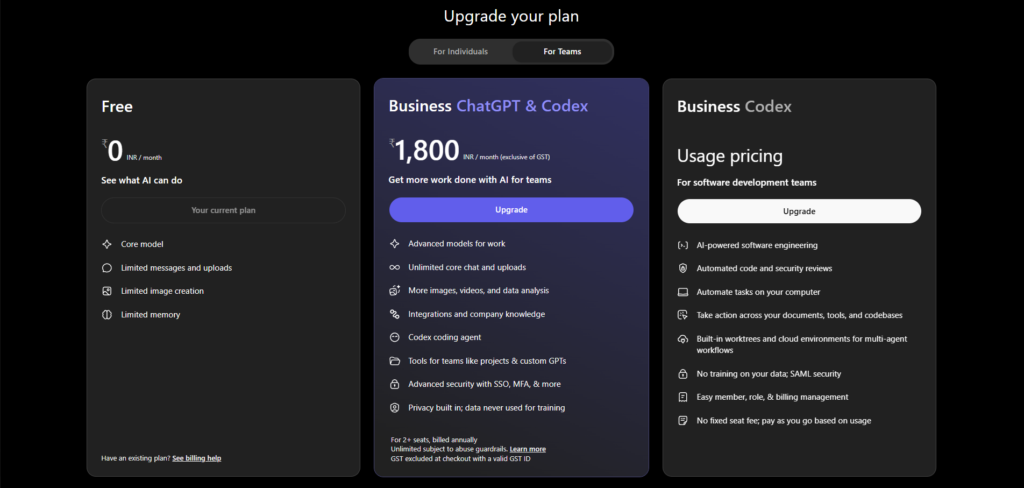
Claude Code and OpenAI’s Codex both let developers work directly from a terminal or editor, reading a project’s actual files before proposing changes. Claude Code has built a strong reputation specifically for reading large codebases coherently and explaining its reasoning clearly before making changes. Codex, backed by GPT-5.5’s agentic coding improvements, has closed much of that gap and now performs competitively on independent coding benchmarks, though developer opinion is still split on which produces cleaner, more maintainable output in practice.
Both tools now support running multiple sub agents in parallel to split larger tasks, a feature that barely existed in either product a year ago. This shift toward agentic, multi step coding assistance rather than simple line by line suggestions is arguably the bigger story in 2026 than which single model scores higher on a given benchmark, since it changes how developers structure their entire workflow rather than just speeding up individual lines of code.
Context Window and Memory
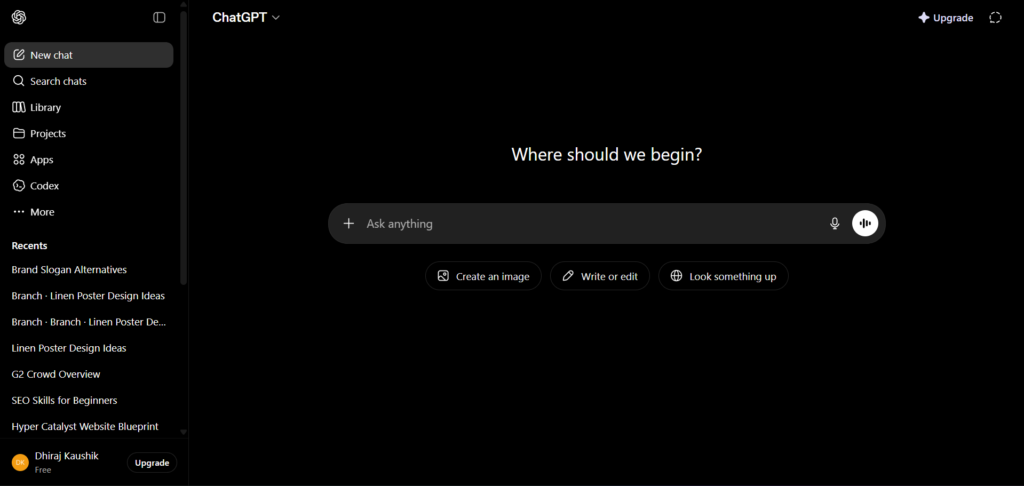
Claude’s context window scales up to roughly two hundred thousand tokens on paid plans, while ChatGPT’s paid tiers now support up to two hundred fifty six thousand tokens standard, with Pro mode reaching around four hundred thousand. Both are large enough for most real documents, but ChatGPT’s newer Instant model can also reference past conversations and connected files automatically, something Claude currently requires you to set up manually through Projects.
This automatic memory feature is one of the more underrated differences in daily use. ChatGPT quietly building context about your ongoing work without explicit setup feels convenient for casual users, but professionals handling sensitive client information sometimes prefer Claude’s more deliberate, opt in approach through Projects, where nothing carries over unless you specifically upload it into that workspace.
Step-by-Step Guide to Testing Claude vs ChatGPT Yourself
Reading comparisons only gets you so far. Here is how to actually test both on your own work before committing to either one.
Step 1: Pick Three Real Tasks From Your Actual Work
Do not test with generic prompts like “write a poem.” Pull three tasks you actually did this week, a real email, a real piece of code, a real research question, and run the exact same prompt through both tools. Generic test prompts tend to flatter whichever tool has better marketing rather than reveal which one actually helps you.
Step 2: Compare the First Draft Without Editing Either
Resist the urge to fix either answer before judging it. Read both responses exactly as generated and note which one required less mental rewriting to actually use. This step matters more than most people expect, since it is easy to unconsciously polish your memory of a good response after you have already edited it.
Step 3: Test a Long Document in Both
Upload the same long file, a contract, a report, or a long article, to both tools and ask a specific question about a detail buried in the middle of it. This tests context handling far better than a short prompt does.
Step 4: Try a Coding Task If Relevant to You
If you write code, give both Claude Code and Codex the same small bug fix or feature request inside a real project. Pay attention not just to whether the fix works, but whether the explanation of what changed and why actually makes sense.
Step 5: Check How Each Handles Uncertainty
Ask both a question you already know the answer to, something obscure but verifiable. Notice whether each tool states uncertainty honestly or answers confidently regardless of whether it actually knows. This single test often reveals more about long term trustworthiness than any coding or writing comparison, since a confidently wrong answer is far more dangerous than one that admits it is unsure.
Step 6: Track Which One You Reach for Naturally After a Week
The most reliable signal is not a scored comparison, it is which tab you find yourself opening out of habit a week later without consciously deciding to. That instinct usually reflects real fit better than any single test, since it accounts for dozens of small interactions rather than one carefully constructed comparison prompt.
Key Benefits of Each Platform
Claude AI’s biggest advantage is consistency in long form writing and document work. For anyone producing reports, articles, or reviewing contracts regularly, its tendency to stay grounded and avoid unnecessary embellishment saves real editing time across a full week of use, not just on a single impressive sample response.
ChatGPT’s biggest advantage is breadth. Between native image generation, a mature voice mode, Deep Research, and the GPTs ecosystem, it functions closer to an all in one workspace than a single purpose chat tool. For someone who wants one subscription covering writing, visuals, and quick research, that breadth has real practical value.
Claude Code’s advantage for developers is coherence on larger, messier codebases, where it tends to explain proposed changes in a way that is easier to review before approving. This matters more than raw speed for teams working on production code where a wrong automated change can cause real problems.
ChatGPT’s agentic coding gains through Codex and the GPT-5.5 line have made it a genuinely competitive option for developers who previously dismissed it as weaker than dedicated coding tools. The gap that existed a year ago has narrowed enough that the choice now often comes down to interface preference rather than a clear capability gap.
Both platforms benefit from healthy competition pushing pricing to stay flat at twenty dollars a month even as capabilities improve. Neither company has meaningfully raised entry level pricing despite frequent model upgrades, which is a genuine benefit to anyone comparing value over time rather than judging a single month’s snapshot.
Claude AI’s more conservative response style also tends to benefit teams that need predictable, professional output without extensive prompt engineering. Where ChatGPT sometimes requires explicit instructions to tone down enthusiasm or trim unnecessary elaboration, Claude’s defaults land closer to a finished, publishable draft more often, which compounds into real time savings across dozens of documents produced in a typical month.
Comparison Table
| Tool Name | Standout Feature | Writing Style | Coding Tool | Monthly Cost |
|---|---|---|---|---|
| Claude AI | Long document coherence and Claude Code | Natural, restrained prose | Claude Code | Free, then $20 |
| ChatGPT | Multimodal breadth, Deep Research, GPTs | Structured, list-heavy by default | Codex | Free, then $20 |
| Gemini | Deep Google Workspace integration | Balanced, search-grounded | Gemini Code Assist | Free, then $19.99 |
| Perplexity | Citation-first research answers | Concise, source-linked | Limited | Free, then $20 |
| Copilot (Microsoft) | Native Windows and Office integration | Task-oriented, brief | GitHub Copilot | Free, then $20 |
Figures reflect publicly listed individual plan pricing as of mid-2026, and model capabilities change frequently enough that it is worth re-checking each provider’s own announcements before relying on this table months from now.
Who Should Choose Claude vs ChatGPT
Writers, editors, and anyone producing long form content regularly tend to prefer Claude AI once they compare a full week of output rather than a single sample. The lower need for post generation editing adds up meaningfully over dozens of pieces.
Developers working on large, established codebases often lean toward Claude Code for its explanation quality, though those working across many small, quick scripts sometimes find Codex’s speed and broader tool integration more convenient for rapid iteration.
Anyone who wants one subscription to also handle image generation, voice conversations, and a wide plugin ecosystem will likely find ChatGPT more complete out of the box, since Claude deliberately keeps its feature set narrower rather than expanding into every category at once. This same instinct to compare full feature sets rather than headline claims is exactly what changed our mind after actually testing Gemini against its biggest rivals instead of just reading the announcement blog posts.
Researchers and analysts doing frequent deep dives into long documents or reports tend to benefit from Claude’s context handling, though those who specifically need heavily cited, multi source research reports may prefer running that particular task through ChatGPT’s Deep Research or a dedicated research tool instead. Many professionals in this category end up using both, treating Claude as the daily driver for document work and switching to ChatGPT specifically when a research task calls for its longer, more exhaustive Deep Research mode.
FAQ
Is Claude better than ChatGPT for writing?
For long form writing that needs to sound natural and avoid a formulaic structure, Claude AI generally produces cleaner first drafts that require less editing. ChatGPT can match this quality with more specific prompting, but its default style leans toward more structured, list-heavy output even for casual writing tasks. The better choice depends on whether you want a tool that needs less steering toward a natural tone, which tends to favor Claude, or one with broader built in creative tools like image generation, which favors ChatGPT.
Is Claude Code better than ChatGPT’s Codex?
Claude Code has a stronger reputation for explaining its reasoning clearly and handling large, established codebases coherently, which developers doing serious production work tend to value highly. Codex, powered by OpenAI’s GPT-5.5 agentic coding improvements, has closed much of the capability gap and performs competitively on independent coding benchmarks. Many developers now choose based on which existing ecosystem they are already invested in rather than a clear, decisive capability difference between the two, and switching costs between the two workflows are often a bigger factor than raw performance numbers.
Which is cheaper, Claude or ChatGPT?
Both Claude Pro and ChatGPT Plus cost exactly twenty dollars per month at the entry paid tier, with no meaningful price difference at that level. The cost difference shows up at higher tiers, where Claude’s Max plans run one hundred or two hundred dollars monthly based on usage limits, while ChatGPT’s Pro tier is priced separately and includes access to its most capable reasoning models. For most individual users comparing the standard paid plans, price is not the deciding factor between the two, and the decision usually comes down to which specific features matter more for your actual workload.
Does Claude AI have image generation like ChatGPT?
No, Claude AI does not include native image generation as of mid-2026, while ChatGPT generates images directly inside the chat interface using OpenAI’s image models. This is one of the clearest, most consistent differences between the two platforms rather than something likely to change with a minor update. Anyone who needs both strong text capability and built in image generation in a single subscription will find ChatGPT more complete for that specific combination.
Can I use both Claude and ChatGPT together?
Yes, and a meaningful number of professionals do exactly this, using Claude for long form writing and document analysis while keeping ChatGPT open for quick research, image generation, or casual questions. Since both offer a functional free tier and Pro pricing lands at twenty dollars each, running both is a realistic forty dollar a month setup for anyone whose work genuinely benefits from each tool’s specific strengths. This is often a smarter starting point than committing fully to one before you know which tasks each handles best for your specific workflow.
Which AI assistant has fewer factual errors, Claude or ChatGPT?
Both companies report ongoing improvements in reducing factual errors with each model release, and independent, apples to apples comparisons are difficult since benchmarks vary and update frequently. Anecdotally, Claude AI tends to express uncertainty more readily when it is unsure rather than answering confidently regardless, which some users experience as more trustworthy for research heavy work. Neither tool should be treated as fully reliable for high stakes factual claims without independent verification, regardless of which one you prefer overall.
Final Thoughts
Claude vs ChatGPT is not really a competition with one clear winner, despite how confidently some comparisons online present it that way. Claude AI wins on writing consistency and long document coherence, ChatGPT wins on breadth and built in multimodal features, and the coding gap between Claude Code and Codex has narrowed enough that it now comes down to personal workflow preference more than a clear capability advantage.
Both companies release model updates frequently enough that any comparison, including this one, is a snapshot rather than a permanent verdict. What matters more than which tool wins today is which one actually fits how you work once the novelty of testing wears off. A benchmark score published this month tells you almost nothing about how either tool will feel three months from now, once the next update ships.
If you genuinely cannot decide after testing both, running them in parallel for a month at forty dollars total is a reasonable way to let real usage settle the question instead of guessing from a comparison article, this one included.
Run both through a week of your real tasks before choosing, and let your own habits decide rather than a benchmark score.
External Links: