ElevenLabs vs Suno shows up constantly in search results as if the two are direct competitors, but spend ten minutes with both tools and that framing falls apart quickly. ElevenLabs generates spoken voice, Suno generates full songs with instrumentation and singing, and the overlap between the two is much smaller than the comparison searches suggest. This guide explains what each tool actually does, where a real decision point exists, and when a creator genuinely needs both rather than choosing one over the other.
Table of Contents
What Is the ElevenLabs vs Suno Comparison Actually About?
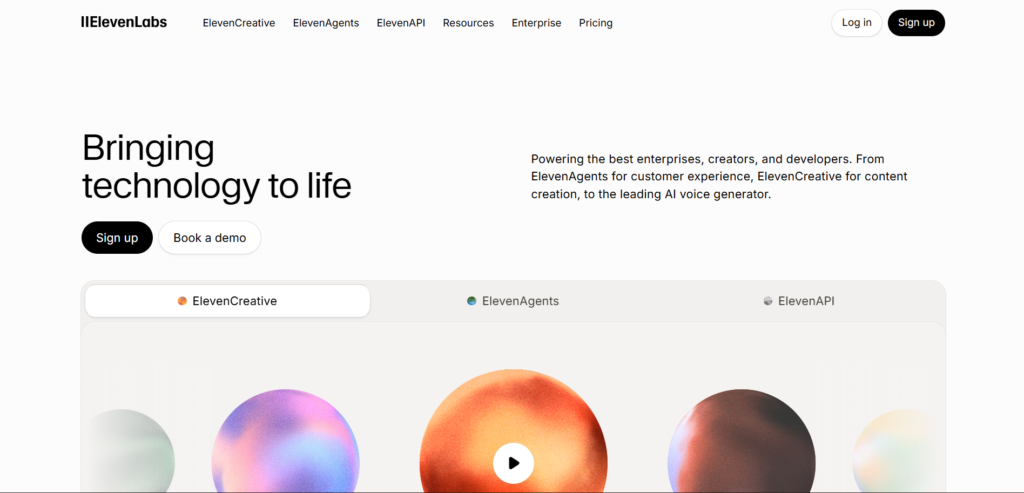
The honest answer is that this comparison is about two tools that got lumped into the same “AI audio” category by search behavior rather than by actual product overlap. ElevenLabs is a voice AI company, focused on text-to-speech, voice cloning, and conversational agents. Suno is a music generation company, focused on producing complete songs, vocals, instrumentation, and structure, from a text prompt or a set of lyrics.
Where the confusion comes from is understandable. Both companies emerged around the same period as part of the broader wave of generative AI audio tools, both produce output that involves a human sounding voice, and both get covered in the same roundup articles about “AI audio tools to know in 2026.” But a spoken word podcast narrated through ElevenLabs and a fully produced pop song generated through Suno solve completely different creative problems.
The one place these tools genuinely do overlap is in a specific, narrower use case: a creator who needs both spoken narration and a custom musical score for the same project, a video essay, a short film, an audiobook with a musical intro, might reasonably use both tools together rather than picking one. This is different from a true head-to-head comparison where you are choosing between two tools that do the same job.
For a full breakdown of what ElevenLabs actually offers across its voice, cloning, and conversational AI products, our ElevenLabs Review 2026: 9 Honest Truths About the AI Voice Tool Everyone’s Cloning covers the complete picture, since understanding ElevenLabs on its own terms makes it much clearer why comparing it directly to a music generator misses the point.
Why This Comparison Keeps Trending Anyway?
Despite the products having little functional overlap, this comparison persists in search because both tools represent the most visible examples of generative AI moving into creative territory that used to require significant human skill. Suno demonstrated that a text prompt could produce a listenable song, and ElevenLabs demonstrated that text could become a genuinely convincing human voice, and both moments generated enough public attention that they became shorthand for “AI is coming for creative work” in broader conversation.
That shared cultural moment, rather than any actual product similarity, is really what keeps this comparison alive in search behavior. It is worth separating the cultural conversation about AI’s impact on creative industries generally from the practical, product-level question of which specific tool solves your specific task, since conflating the two tends to produce confused expectations about what either platform can actually do.
How ElevenLabs and Suno Actually Differ?
Understanding the real difference requires looking at what each tool is actually built to output, since the underlying use cases barely intersect despite both falling under the general “AI audio” label.
Core Output Type
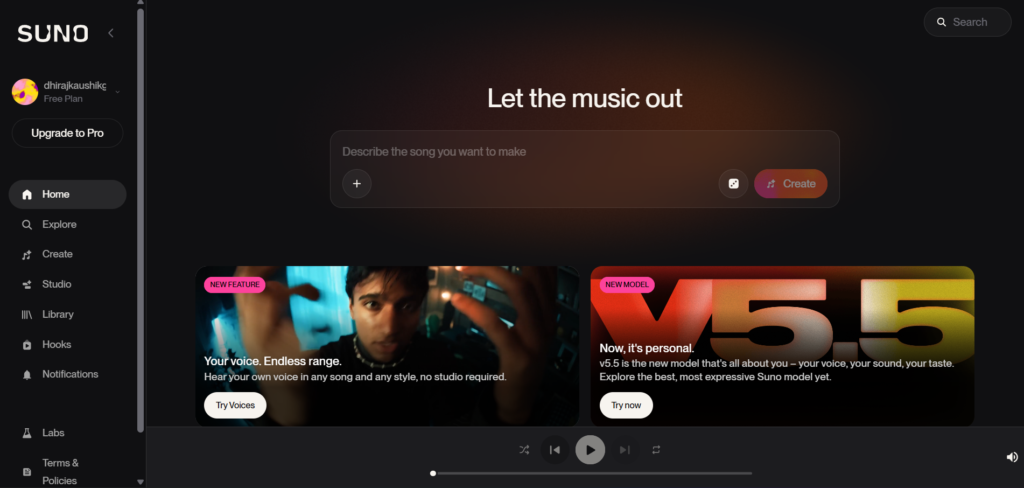
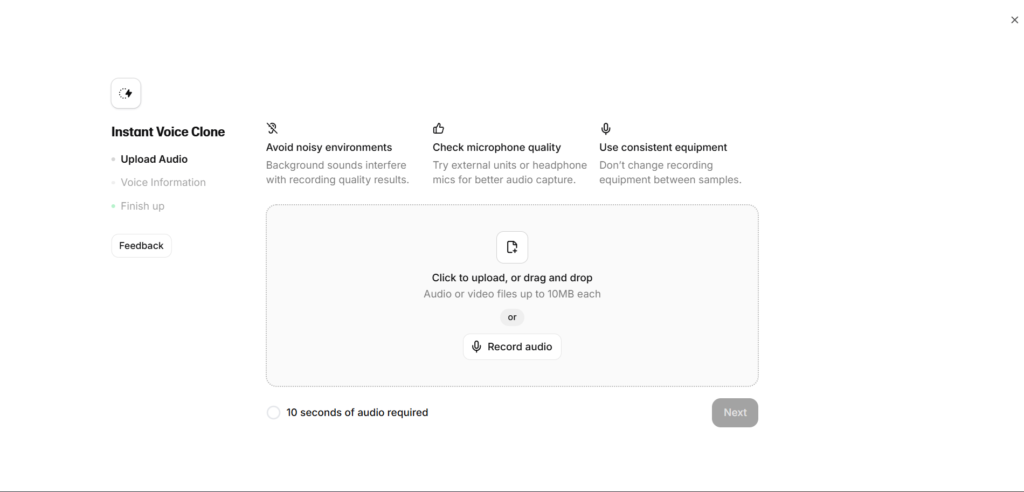
ElevenLabs produces spoken word audio, whether that is a single voice reading a script, a cloned voice matching a specific person, or a real-time conversational agent holding a phone call. Suno produces complete musical compositions, generating not just vocals but full instrumental arrangements, verse and chorus structure, and genre-appropriate production, all from a text prompt describing the style and mood you want.
This distinction sounds obvious stated plainly, but it explains why direct feature comparisons between the two rarely make sense. Comparing ElevenLabs’ voice cloning fidelity to Suno’s melodic composition quality is a bit like comparing a translation tool’s accuracy to a spreadsheet’s calculation speed, both are impressive within their own category, but neither measurement transfers meaningfully to the other’s domain.
Input and Control
With ElevenLabs, you generally provide exact text you want spoken, and the tool’s job is delivering that text in a natural, well-paced voice. With Suno, you provide a prompt or lyrics and a genre or mood description, and the tool has significantly more creative latitude in how it interprets that into a finished musical piece, since music generation involves far more structural decisions, melody, rhythm, arrangement, than reading a script aloud does.
This difference in creative control matters practically. ElevenLabs users generally know close to exactly what they will get, since the words are fixed and only the vocal delivery varies. Suno users are collaborating more loosely with the tool’s own interpretation of a prompt, which means iteration and regeneration play a bigger role in reaching a satisfying final result on the music side than they typically do with straightforward text-to-speech.
Voice Cloning vs Vocal Style
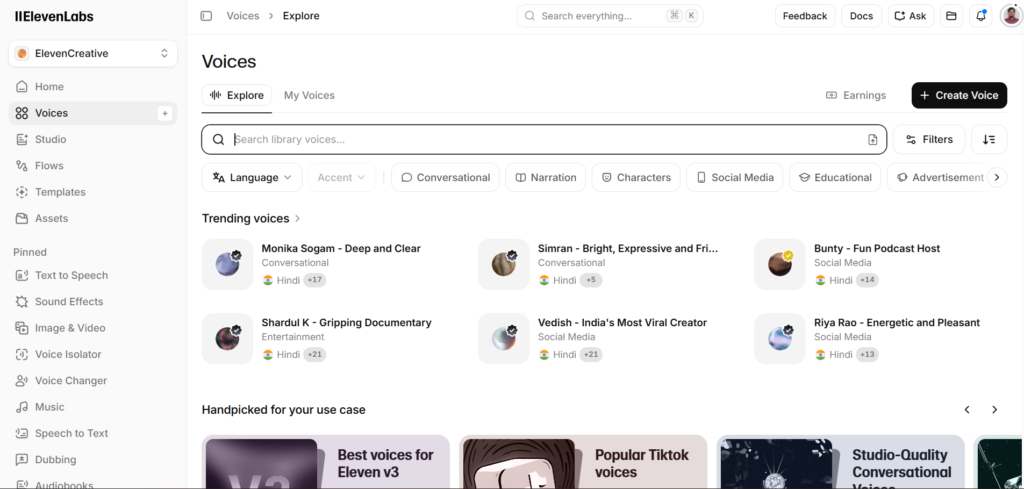
ElevenLabs’ voice cloning is built to replicate a specific real person’s voice with high fidelity, useful for maintaining a consistent narrator across a long project or, with proper consent, creating audio in someone’s actual voice. Suno’s vocal generation creates a singing voice matched to a chosen style or genre, but is not built around replicating a specific individual’s voice the way ElevenLabs’ cloning technology is, since the two products are solving fundamentally different technical problems.
Commercial Use and Rights
Both platforms gate commercial usage rights behind paid tiers, but the underlying rights questions differ meaningfully. ElevenLabs’ commercial concerns center heavily on voice cloning consent and impersonation risk, covered in more depth in our pillar guide. Suno’s commercial concerns center more on music copyright and whether AI generated compositions can be meaningfully protected or might inadvertently echo existing copyrighted works, a distinct legal conversation from voice cloning consent entirely.
Step-by-Step Guide to Deciding Between Them
Here is how to actually figure out which tool, or whether both, fits your specific project.
Step 1: Identify What Your Project Actually Needs
Before comparing pricing or features, write down specifically what audio your project requires. A podcast intro needs spoken narration, a background music track needs Suno, a video with both needs an honest assessment of whether you need one tool or genuinely both.
Step 2: Test ElevenLabs for Any Spoken Content Needs
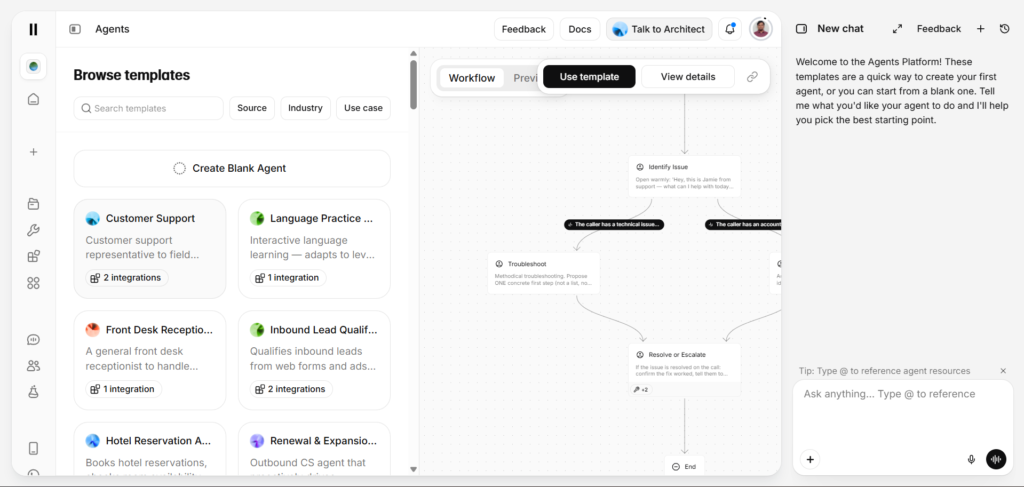
If your project involves narration, voiceover, dialogue, or a consistent character voice across multiple pieces of content, test ElevenLabs’ free tier first to judge voice quality against your specific script.
Step 3: Test Suno for Any Music or Song Needs
If your project needs a theme song, background score, or a fully produced piece of music with vocals, test Suno’s free tier separately, since this is a genuinely different creative task requiring its own evaluation.
Step 4: Evaluate Whether You Need Both for a Single Project
For projects combining spoken content and original music, a video essay with narration plus a custom intro theme, for example, evaluate the cost of subscribing to both platforms against hiring separately for music and voice work, since AI generated versions of both are often still meaningfully cheaper than traditional production for a small or mid-sized project. Run the numbers on both approaches before assuming AI generated audio is automatically the cheaper route, since a single freelance voice actor for a short project can sometimes come close to a monthly subscription cost anyway.
Step 5: Check Licensing Terms for Your Specific Use Case
Before publishing anything commercially from either platform, confirm your specific plan tier includes commercial rights and review each platform’s current terms around AI generated content ownership, since these terms have continued evolving as both companies mature their products. This is particularly important for Suno specifically, given the ongoing broader legal conversation around AI generated music and copyright that continues to develop across the music industry.
Step 6: Budget Separately for Each Tool if Using Both
If your workflow genuinely requires both platforms, budget for them as two separate line items rather than assuming one subscription covers both needs. Neither company currently offers a bundled plan covering the other’s product category.
Key Benefits of Each Platform
ElevenLabs’ core benefit is producing natural, emotionally expressive spoken audio that can maintain a consistent voice across an entire project, whether that project is a single video or a hundred-episode podcast series. This consistency and control over exact spoken content is something Suno’s music generation was never built to provide.
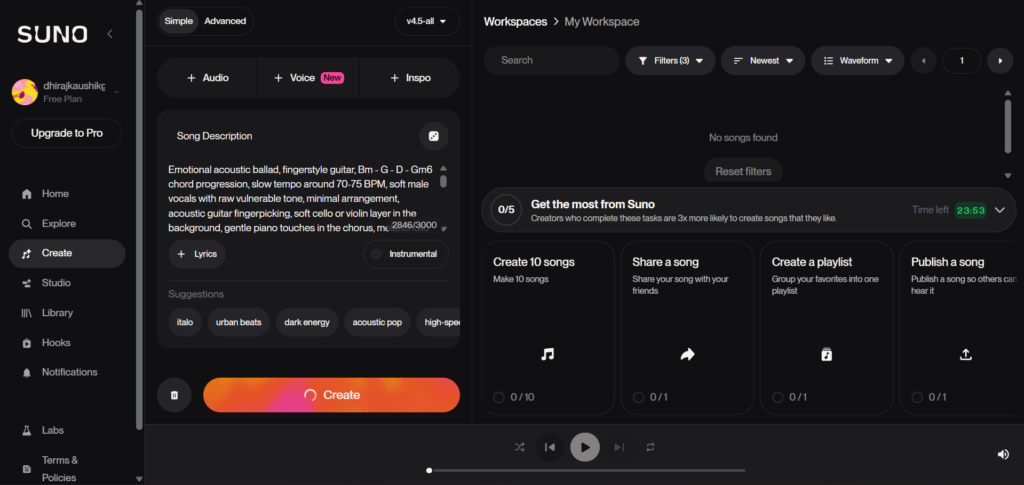
Suno’s core benefit is dramatically lowering the barrier to producing an original, fully produced piece of music, a task that traditionally required either significant musical training or hiring a composer and session musicians. For creators needing a custom theme song or background score without either skill set, this represents a genuinely new creative capability rather than an incremental improvement on an existing workflow.
Using both platforms together, when a project genuinely calls for it, benefits creators who want a fully original audio identity, distinct spoken narration and distinct original music, without licensing stock voiceover talent and stock music separately from two entirely different traditional vendors.
The fact that both tools offer functional free tiers for testing benefits anyone still deciding which, if either, fits their actual project needs, removing the financial risk of committing to a subscription before confirming the output quality genuinely matches what a specific project requires.
Both platforms also benefit from rapid, ongoing iteration by companies specifically focused on their narrow category rather than trying to be a general purpose AI tool covering everything. This focus tends to produce faster improvement within each specific domain than a broader, less specialized tool might achieve trying to cover both voice and music adequately at once.
Comparison Table
| Tool Name | Core Output | Best For | Voice/Vocal Control | Monthly Cost |
|---|---|---|---|---|
| ElevenLabs | Spoken word, voice cloning | Narration, dubbing, voice agents | High, cloning available | Free, then $5 |
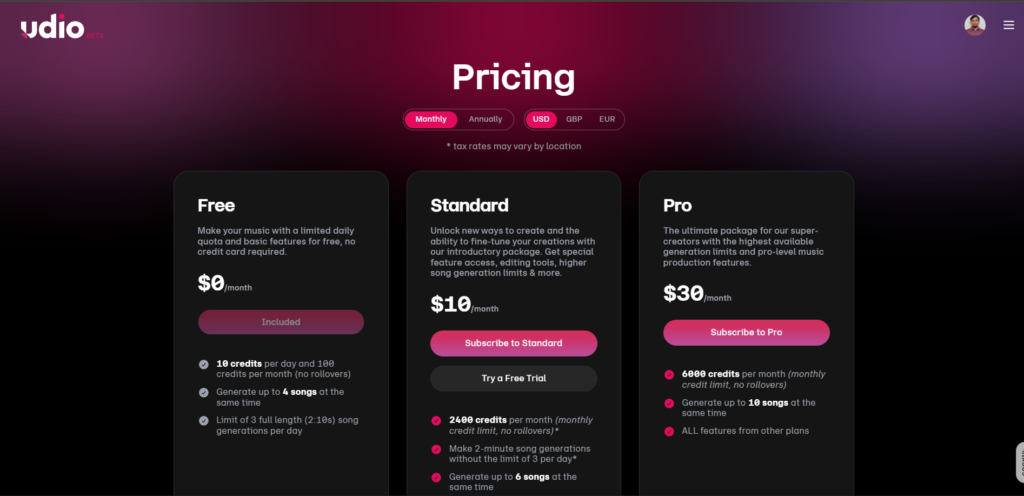
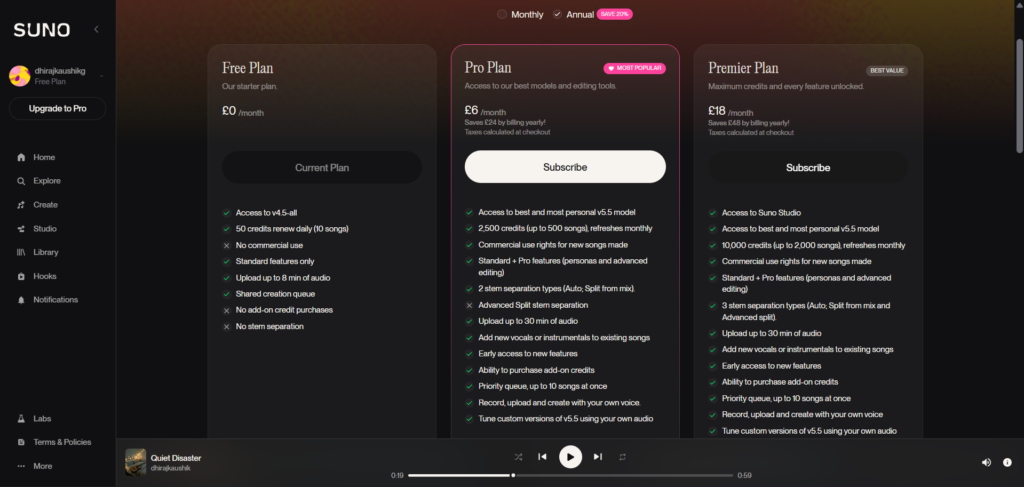
| Suno | Full songs with vocals | Original music, theme songs | Style-based, not cloning | Free, then $10 |
| Udio | Full songs with vocals | Original music, competing with Suno | Style-based, not cloning | Free, then $10 |
| Murf AI | Spoken word, studio editing | Team voiceover projects | Moderate | Free, then $29 |
| Play.ht | Spoken word, API-first | Developer voice integration | High | Free, then $39 |
Pricing reflects publicly listed rates as of mid-2026. Neither ElevenLabs nor Suno is a substitute for the other, so this table is best used to compare each tool against its actual direct competitors rather than against each other.
Who Should Choose ElevenLabs vs Suno?
Podcasters, audiobook narrators, and anyone producing regular spoken content should focus on ElevenLabs, since Suno offers nothing relevant to that specific workflow. Our guide on ElevenLabs and Voice Acting 2026: The Uncomfortable Truth Actors Are Talking About covers the broader implications of relying on AI narration for this specific use case in more depth.
Musicians, content creators needing original background music, and anyone producing theme songs or jingles should focus on Suno, since ElevenLabs currently offers no equivalent music composition capability.
Video creators and filmmakers producing content that needs both narration and an original score are the group most likely to genuinely need both tools, budgeting for each as a distinct line item rather than expecting one platform to cover both needs. This combined workflow has become increasingly common as solo creators take on production roles that used to require an entire small team.
Businesses building conversational AI phone agents should focus specifically on ElevenLabs Conversational AI 2026: 6 Reasons Call Centers Are Quietly Switching rather than considering Suno at all, since Suno has no relevant application to real-time voice agent technology whatsoever.
Independent game developers and app creators needing both character voice lines and an original soundtrack represent another group increasingly likely to use both platforms together, since indie development budgets rarely accommodate hiring separate voice actors and composers, making AI generated alternatives for both categories a practical necessity rather than a stylistic preference.
FAQ
Is ElevenLabs the same as Suno?
No, ElevenLabs and Suno are fundamentally different products despite both being categorized as AI audio tools. ElevenLabs generates spoken voice audio, including text-to-speech, voice cloning, and conversational AI agents, while Suno generates complete musical compositions with vocals and instrumentation from a text prompt. The comparison between them is more about clarifying which tool fits which specific creative need rather than a true head-to-head competition, since their core outputs barely overlap, and confusing the two before starting a project can lead to wasted time testing the wrong tool entirely.
Can I use ElevenLabs to make music like Suno?
No, ElevenLabs is not designed for music composition and does not generate instrumental arrangements, melodies, or full song structures the way Suno does. ElevenLabs’ voice generation focuses specifically on spoken word audio and, while it can produce a singing voice sample in limited contexts, it lacks Suno’s purpose-built music production capabilities entirely. Anyone needing actual music composition should use a dedicated tool like Suno rather than expecting ElevenLabs to fill that role.
Can I use Suno for voiceover or narration instead of ElevenLabs?
Technically Suno can generate vocal content, but it is built around musical performance within a song structure, not the clear, controlled spoken narration that voiceover work requires. Using Suno for straightforward narration would be an unusual and ultimately worse choice compared to ElevenLabs, which is specifically engineered for natural, precisely controllable spoken audio. The two tools are not interchangeable substitutes for each other’s core use case.
Which is cheaper, ElevenLabs or Suno?
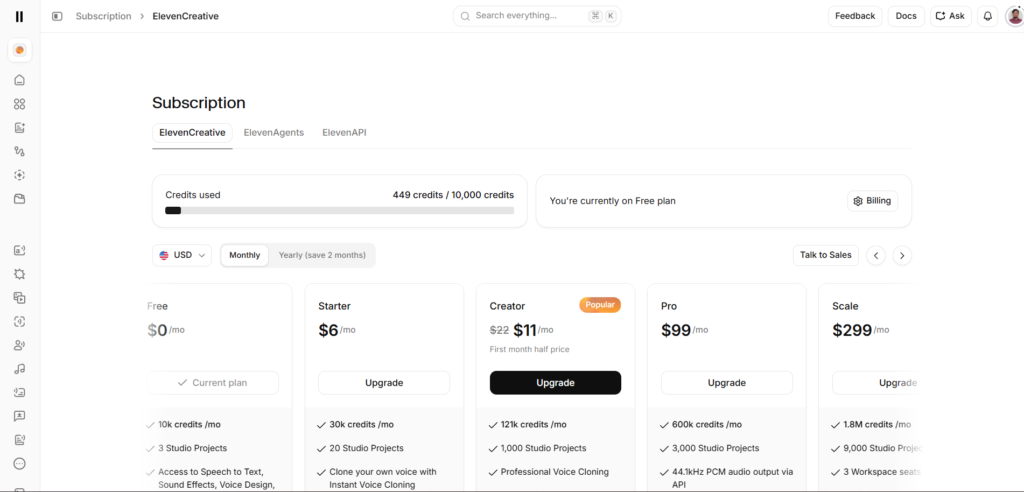
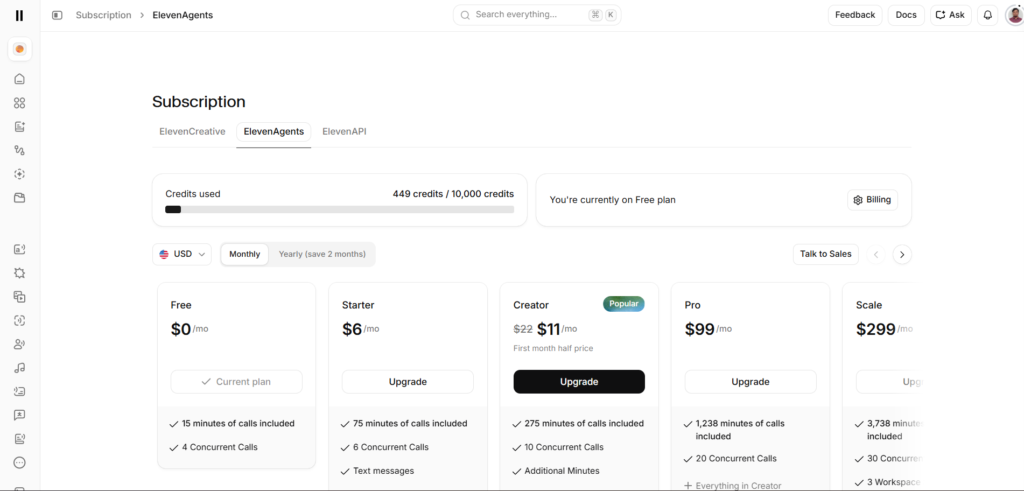
ElevenLabs’ entry paid tier starts around $5 monthly, while Suno’s entry paid tier starts around $10 monthly, making ElevenLabs the less expensive starting point of the two. However, comparing raw price is not particularly meaningful given how different the two products are, since the actual decision should be based on which tool solves your specific creative need rather than which one costs less for an unrelated use case.
Do I need both ElevenLabs and Suno for content creation?
Whether you need both depends entirely on your specific content type. A podcaster or audiobook creator likely only needs ElevenLabs, while a musician or someone producing purely instrumental content likely only needs Suno. Creators producing video content that combines spoken narration with original background music or a theme song are the group most likely to genuinely benefit from subscribing to both platforms simultaneously rather than trying to force one tool to do the other’s job.
Are ElevenLabs and Suno owned by the same company?
No, ElevenLabs and Suno are entirely separate, independently operated companies with no shared ownership or corporate relationship. ElevenLabs was founded in 2022 by Piotr Dabkowski and Mati Staniszewski, while Suno was founded separately by a different team focused specifically on music generation technology. Any confusion about a relationship between the two likely stems from both frequently appearing together in general “AI audio tools” roundup content rather than any actual business connection, a pattern common across many unrelated tools that happen to get bundled into the same broad content category by search-driven publishers.
Final Thoughts
ElevenLabs vs Suno is less a genuine rivalry and more a case of search behavior grouping two unrelated tools under a shared category label. Once you look past the surface level “AI audio” grouping, the actual decision is straightforward: pick ElevenLabs for anything involving spoken voice, and pick Suno for anything involving original music.
The real value in understanding this distinction clearly is avoiding wasted time evaluating the wrong tool against the wrong need. Neither company is trying to compete directly with the other, and treating this as a head-to-head battle obscures the more useful question, which is simply what your specific project actually requires.
For creators working across multiple content formats, it is worth remembering that using both tools is not a compromise or a sign of indecision, it reflects the fact that spoken narration and original music are genuinely different creative disciplines that happen to now both be accessible through AI, rather than being different flavors of the same underlying product.
Identify whether your project needs spoken voice, original music, or genuinely both, and choose accordingly rather than searching for a single winner between two tools built for different jobs entirely.
External Links :