ElevenLabs and voice acting have become impossible to discuss separately, since the same technology that lets a solo creator narrate a video without hiring anyone is also the technology voice actors say could replace the work they have spent years building a career around. This is not a topic with a clean, comfortable answer, and this guide covers the actual, current state of the conversation, including what unions have negotiated, what remains genuinely unresolved, and what it means for anyone using or considering AI voice technology.
Table of Contents
What Is the ElevenLabs and Voice Acting Debate About?
At its core, this is a labor and consent conversation playing out alongside a genuine technological advance. ElevenLabs and similar voice AI companies have built tools capable of generating speech realistic enough to replace what previously required a hired voice actor, for audiobooks, video narration, video game characters, and commercial voiceover work. Working voice actors, and the unions representing them, have raised specific concerns about job displacement, unauthorized use of their recorded voices to train AI models, and downward pressure on rates as AI becomes a viable lower-cost alternative for producers.
These are not abstract, hypothetical concerns. In May 2025, SAG-AFTRA filed an unfair labor practice charge against Llama Productions, the company behind Fortnite, after the game deployed a conversational AI voice built to sound like James Earl Jones for the character Darth Vader without notifying or bargaining with the union over the terms. This case has become one of the clearest, most concrete examples of the exact scenario voice actors have been warning about: a recognizable, iconic voice replicated through AI without the negotiated consent process the union has fought to establish.
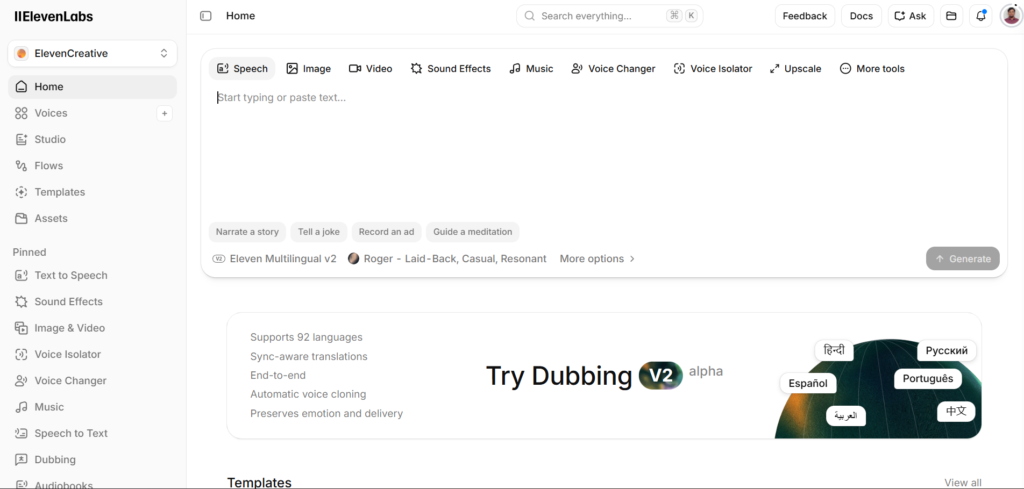
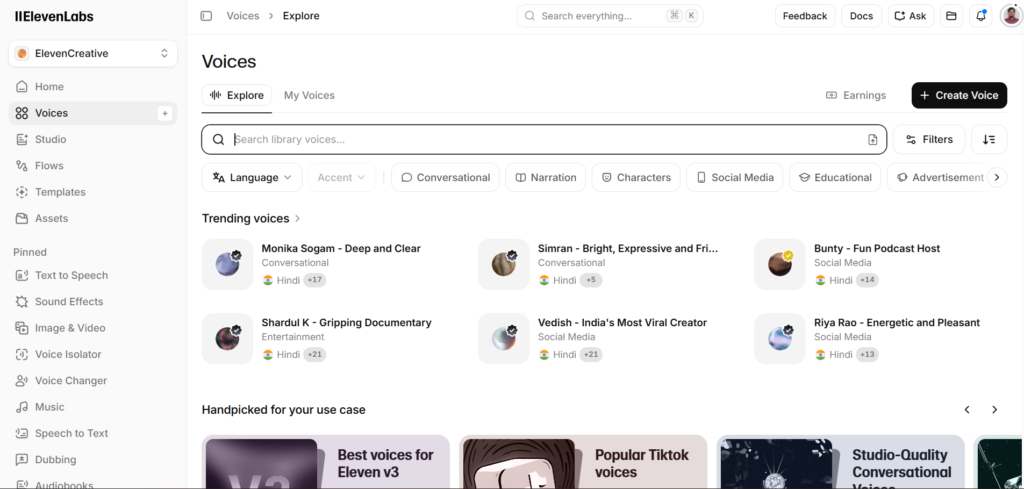
At the same time, it is worth being precise about what ElevenLabs itself has and has not done. The company requires consent verification before allowing a user to clone a voice that is not demonstrably their own, and it has entered into formal partnerships with entities like Replica Studios and SAG-AFTRA specifically aimed at creating a legitimate, compensated pathway for voice actors to license their voices for AI use rather than having them taken without permission. The tension in this conversation is less about ElevenLabs’ own stated policies and more about the broader technology’s potential for misuse across an entire industry, by any company, not just ElevenLabs specifically.
For readers wanting the complete picture of ElevenLabs’ broader platform and how voice cloning fits within it, our ElevenLabs Review 2026: 9 Honest Truths About the AI Voice Tool Everyone’s Cloning covers the full product lineup and the consent mechanisms built into the platform specifically.
How the Industry Has Actually Responded?
The response from voice actors, unions, and lawmakers over the past two years has been substantial and increasingly concrete, moving well past general concern into specific contractual and legal protections.
SAG-AFTRA’s Contract Protections
SAG-AFTRA has negotiated a series of increasingly detailed AI protections across multiple contract areas since 2023. The union’s Commercials and Audio Commercials contracts, ratified in 2025, are described by the union as the strictest AI provisions achieved to date in advertising, requiring clear and conspicuous consent for any AI recreation of a performer along with minimum payments and residuals when a digital replica is used. In June 2026, SAG-AFTRA members ratified a new TV and Theatrical Agreement that further restricts synthetic performer use and strengthens protections against AI replacing union members’ work entirely.
Legislative Movement
Beyond union contracts, legislative action has moved at a genuinely fast pace. The proposed federal NO FAKES Act, reintroduced in the Senate in April 2025 with added support from Google and YouTube, would create a federal right to sue over unauthorized use of a digital likeness or voice. Tennessee’s ELVIS Act, passed in 2024, specifically outlaws unauthorized commercial voice cloning at the state level, and California has introduced additional legislation aimed at regulating AI-generated likenesses and preventing exploitative contract terms.
Legitimate Licensing Pathways Emerging
Not every development has been adversarial. The SAG-AFTRA and Replica Studios agreement, introduced at CES, specifically creates a framework for professional voice actors to license their digital voice replicas with industry-negotiated protections, informed consent requirements, and fair compensation terms. This represents an attempt to build a legitimate middle path, one where voice actors can participate in and benefit from AI voice technology on negotiated terms, rather than the technology simply displacing them without any say in the matter.
Where Real Tension Remains Unresolved
Despite these developments, meaningful concerns remain genuinely unresolved as of 2026. Industry analysts have pointed out that upcoming negotiations are likely to protect well-known, prominent performers more effectively than middle-tier or lesser-known voice actors, who have historically had less individual negotiating leverage in entertainment labor disputes. The gap between having contractual protections on paper and those protections translating into real, enforced consequences across a fast-moving, globally distributed technology industry also remains a genuine, open question rather than a fully settled matter.
Step-by-Step Guide to Using AI Voice Responsibly as a Creator
If you are a creator or business considering AI voice technology, here is how to approach the decision in a way that respects the current, evolving landscape around consent and compensation.
Step 1: Only Clone Voices You Have Explicit Rights To
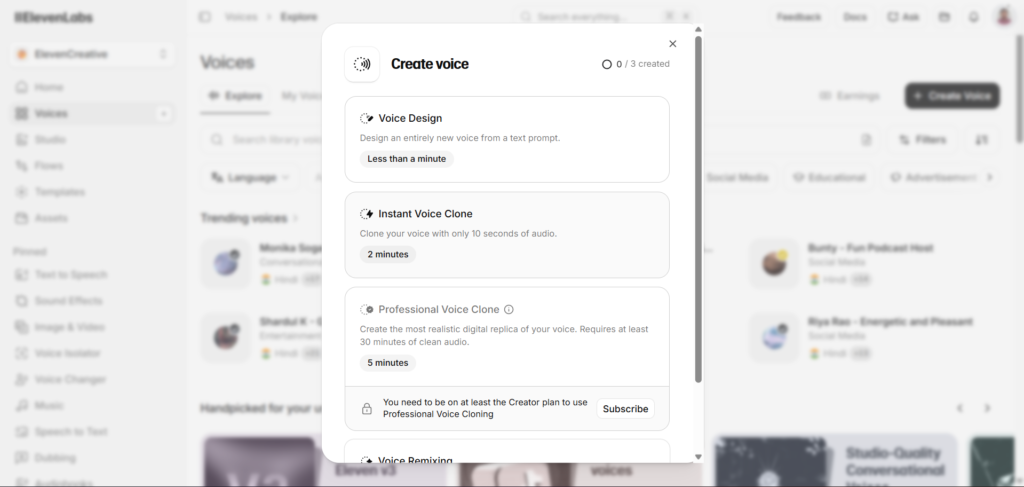
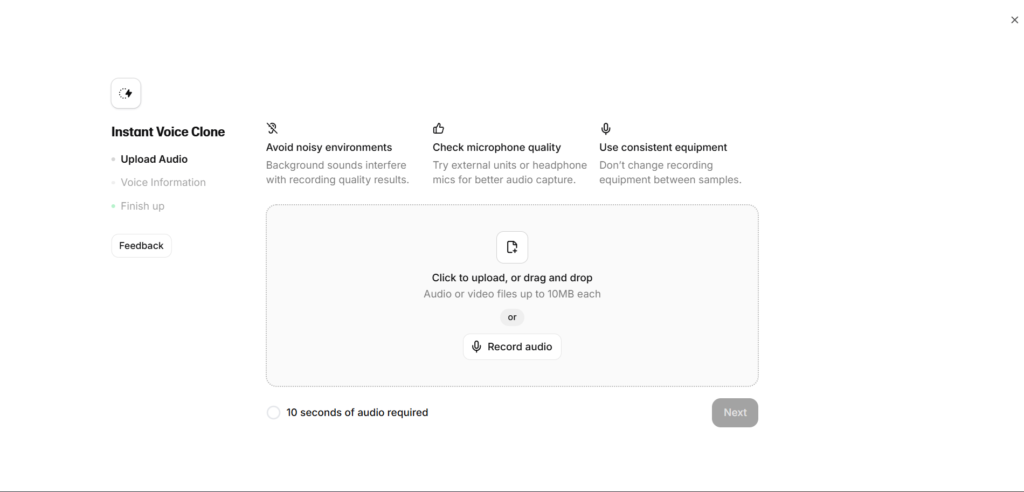
Only use voice cloning on your own voice or a voice you have clear, documented, explicit permission to use. This applies regardless of whether the person is a public figure, a colleague, or anyone else, since implied or assumed permission is not the same as genuine, informed consent.
Step 2: Understand That “Publicly Available Audio” Is Not the Same as Consent
The fact that audio of someone’s voice exists publicly, in an interview, a podcast, a video, does not constitute permission to clone that voice for your own use. This distinction has been central to several of the legal and union disputes covered in this guide, and treating publicly available audio as automatically fair to clone is a meaningful misunderstanding of the actual consent standard being established across the industry.
Step 3: Consider Hiring Human Voice Talent for Flagship or High-Visibility Work
For your most important, highest-visibility content, consider whether hiring a real voice actor, potentially through a legitimate licensing arrangement if AI assistance is still desired, better serves both your project’s quality and the broader industry you are participating in as a content creator or business.
Step 4: Stay Informed on Evolving Platform Policies
ElevenLabs and competing platforms continue updating their consent verification and moderation policies as the legal and industry landscape evolves. Periodically reviewing current policies, rather than assuming the rules you learned when you first signed up remain unchanged, is a reasonable ongoing practice for anyone using voice cloning commercially.
Step 5: Disclose AI Narration Where It Is Reasonable to Do So
Consider disclosing when content uses AI generated narration, particularly for content where audiences might reasonably assume a human voice actor performed the work. This is not universally legally required in every context as of 2026, but it reflects a growing expectation around transparency that audiences and platforms increasingly favor.
Step 6: Support Legitimate Licensing Pathways When Available
When a legitimate, union-negotiated licensing pathway exists for a specific voice or use case, favor that pathway over unauthorized alternatives, even when it costs more or takes more coordination than simply generating a clone independently.
Key Considerations for Anyone Weighing This Issue
The economic concern voice actors raise is genuine and grounded in real, observable market dynamics. When a lower-cost automated alternative becomes viable for a category of work, downward pressure on rates and reduced demand for human talent in that category is a predictable economic pattern, not a hypothetical fear, and it has played out across other industries facing comparable automation shifts.
The technology’s benefits are also genuinely real, not merely a talking point. Accessibility applications, giving a voice back to someone who has lost the ability to speak, and meaningful cost reductions that let smaller creators and educational projects produce content that would otherwise be financially out of reach represent real positive uses that should not be dismissed simply because the same underlying technology has caused genuine harm elsewhere.
The distinction between consensual, compensated AI voice use and unauthorized replacement is the single most important line running through this entire issue. A voice actor licensing their digital replica through a negotiated SAG-AFTRA agreement and a company cloning a voice without permission or compensation represent fundamentally different outcomes from the same underlying technology, and conflating the two obscures rather than clarifies the actual debate.
Legal and contractual protections continue evolving rapidly, meaning the specific landscape described in this guide will likely look somewhat different within another year or two as legislation, union contracts, and platform policies continue developing in response to real cases and disputes as they arise.
Comparison Table
| Scenario | Consent Obtained | Compensation Structure | Legal/Contractual Backing | Industry Standing |
|---|---|---|---|---|
| SAG-AFTRA licensed digital replica | Yes, explicit and documented | Negotiated minimums and residuals | Union contract, legally binding | Established, growing |
| Independent creator cloning own voice | Yes, self-consent | N/A, personal use | Platform terms of service | Standard, widely accepted |
| Unauthorized clone of a public figure | No | None | Potential legal exposure, varies by jurisdiction | Actively contested, subject to enforcement action |
| Unauthorized clone of a private individual | No | None | Strong legal exposure in most jurisdictions | Widely condemned, criminal risk in fraud cases |
| Platform-verified consent cloning of a hired voice actor | Yes, via platform verification | Direct agreement between parties | Platform terms plus any separate contract | Legitimate, increasingly common |
This table reflects the general current landscape as of mid-2026 and is not legal advice. Anyone facing a specific situation involving voice cloning consent or compensation should consult directly with a qualified entertainment or labor attorney familiar with current law in their relevant jurisdiction.
Who This Conversation Actually Affects?
Working voice actors, particularly those earning a significant portion of their income from commercial, audiobook, or video game voiceover work, are the group most directly and immediately affected, facing genuine questions about how AI voice technology will reshape demand and rates for their specific type of work over the coming years.
Content creators and businesses using AI voice technology carry real responsibility in this conversation, since the choices individual users make about consent and legitimate licensing collectively shape whether the technology develops toward a genuinely consensual, compensated model or continues enabling unauthorized use that harms working performers, a workflow-level responsibility covered more practically in our guide on ElevenLabs for YouTubers 2026: 8 Proven Ways to Sound Like a Pro Without a Mic.
Union members specifically now have concrete contractual protections that did not exist even a few years ago, though the practical strength of those protections continues to be tested through real disputes like the ongoing Fortnite case, meaning union membership status meaningfully changes an individual performer’s actual leverage and recourse in this evolving landscape.
Non-union and independent voice talent, along with early-career performers without established union contracts, generally have less concrete protection currently, representing a genuine gap in the current framework that lawmakers, unions, and platforms continue working to address through broader legislative and policy efforts.
FAQ
Are voice actors losing their jobs to AI like ElevenLabs?
The picture is genuinely mixed rather than a simple yes or no. Some categories of voiceover work, particularly lower-budget or high-volume commercial narration, have seen real displacement pressure from AI alternatives, while other categories, especially high-profile, character-driven, or union-protected work, have seen unions successfully negotiate protections limiting unauthorized AI replacement. The overall employment impact continues to evolve, and it varies significantly by specific type of voice work, union status, and geographic market rather than following one uniform pattern across the entire industry.
Does ElevenLabs pay voice actors when their voice is cloned?
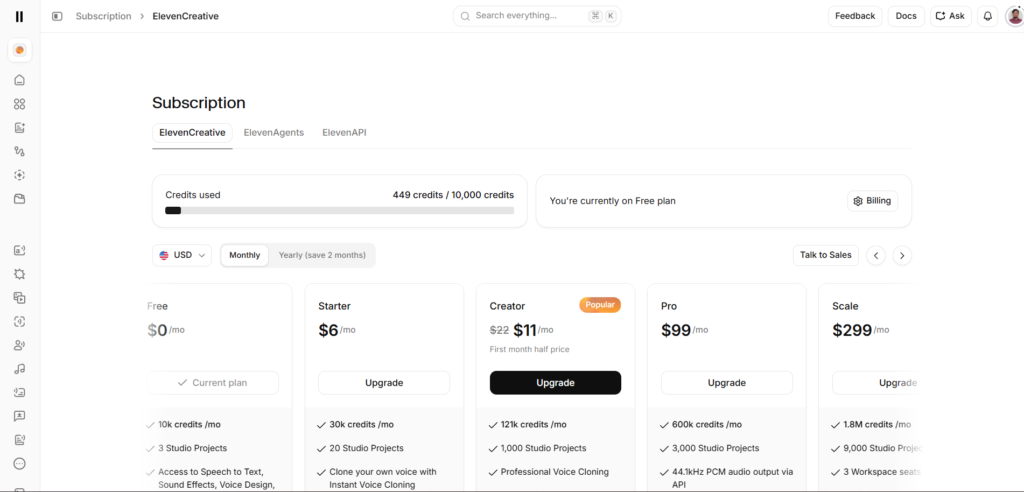
ElevenLabs itself does not directly employ voice actors, but the company has entered into partnerships, including with Replica Studios and in coordination with SAG-AFTRA, specifically designed to create legitimate licensing pathways where voice actors consent to and are compensated for the use of their digital voice replica. Whether a specific instance of cloning results in compensation for the original voice actor depends entirely on whether that specific use follows one of these legitimate, consensual pathways rather than an unauthorized clone created without the actor’s knowledge or agreement.
What is the Fortnite Darth Vader AI voice controversy about?
In May 2025, Fortnite introduced a conversational AI voice for Darth Vader built to sound like the late James Earl Jones. SAG-AFTRA filed an unfair labor practice charge against Llama Productions, the signatory company behind the game, arguing the AI voice effectively replaced union actors’ work without the union being properly notified or given the opportunity to bargain over appropriate terms, as required under existing labor agreements. This case has become one of the most cited real-world examples in the broader conversation about AI voice technology and unauthorized replacement of union-protected performance work.
Is it legal to clone a celebrity’s voice using ElevenLabs?
Cloning a public figure’s voice without their explicit consent carries real legal exposure in most jurisdictions, particularly for commercial use, and ElevenLabs’ own consent verification systems are specifically designed to prevent this kind of unauthorized cloning on its platform. Beyond platform-level restrictions, laws like Tennessee’s ELVIS Act specifically criminalize unauthorized commercial voice cloning, and broader federal legislation like the proposed NO FAKES Act aims to create additional legal recourse for unauthorized use of a person’s voice or likeness at the national level.
How can I use AI voice technology without harming voice actors?
The clearest path is limiting voice cloning to your own voice or voices you have explicit, documented permission to use, and favoring legitimate licensing pathways when they exist for a specific voice or use case rather than unauthorized alternatives. For projects where a specific, recognizable human voice matters significantly to the work, considering whether hiring a human voice actor directly, or working through an established licensing agreement, better serves both your project and the broader industry ecosystem you are participating in as a creator or business.
Will voice acting as a profession still exist in the future given AI advancement?
Most industry analysts and union representatives believe voice acting will continue to exist as a profession, though its shape is likely to change meaningfully as AI technology matures further. High-profile character work, live-directed performance requiring real-time creative collaboration, and roles where a specific, established human performer’s involvement carries genuine cultural or brand value are generally expected to remain human-performed, while some categories of lower-budget, high-volume narration work will likely continue shifting toward AI assistance or full automation over time.
Final Thoughts
ElevenLabs and voice acting represents one of the clearest, most concrete examples of a broader tension running through the entire generative AI industry: genuinely useful, accessible technology that also creates real, legitimate concerns for the working professionals whose skill the technology can replicate. Neither dismissing voice actors’ concerns as overblown resistance to progress, nor treating the technology itself as purely harmful, reflects the actual, more complicated reality unfolding in real time across contracts, courtrooms, and legislatures.
The meaningful protections that have emerged, SAG-AFTRA’s negotiated contracts, state and proposed federal legislation, and legitimate licensing partnerships, represent genuine progress toward a model where voice actors can participate in and benefit from this technology rather than simply being displaced by it. Real gaps remain, particularly for non-union and early-career performers with less individual negotiating leverage, and the practical enforcement of new protections continues to be tested through ongoing disputes.
For anyone using or building with AI voice technology, the responsible path is straightforward even amid this larger uncertainty: clone only what you have genuine permission to clone, and support legitimate, compensated pathways for voice talent whenever a real choice exists between that and an unauthorized alternative.
External Links:
- https://www.sagaftra.org/contracts-industry-resources/member-resources/artificial-intelligence
- https://www.sagaftra.org/sag-aftra-and-replica-studios-introduce-groundbreaking-ai-voice-agreement-ces
- https://elevenlabs.io/voice-cloning
- https://www.congress.gov
- https://www.ftc.gov/news-events/contests/ftc-voice-cloning-challenge
- https://www.replicastudios.com
- https://www.nab.org
- https://www.uni-mfa.org
- https://www.copyright.gov/ai/
- https://www.reuters.com