Claude AI for writers keeps coming up in the same breath as tools built specifically for writing, like Sudowrite or Jasper, and that comparison is not accidental. Claude was never marketed as a dedicated writing tool, yet a growing number of professional writers use it as their default drafting and editing assistant anyway. After putting it through real freelance and blog work for several weeks, it is worth being specific about where that reputation is earned and where it is not.
Table of Contents
What Is Claude AI for Writers?
Claude AI for writers describes how professional and hobbyist writers use Anthropic’s general assistant for drafting, editing, and idea development, despite Claude not being marketed as a writing specific product the way Sudowrite or Jasper are. This distinction matters because Claude’s writing strength comes from its general training approach rather than features built specifically around narrative structure or marketing copy templates.
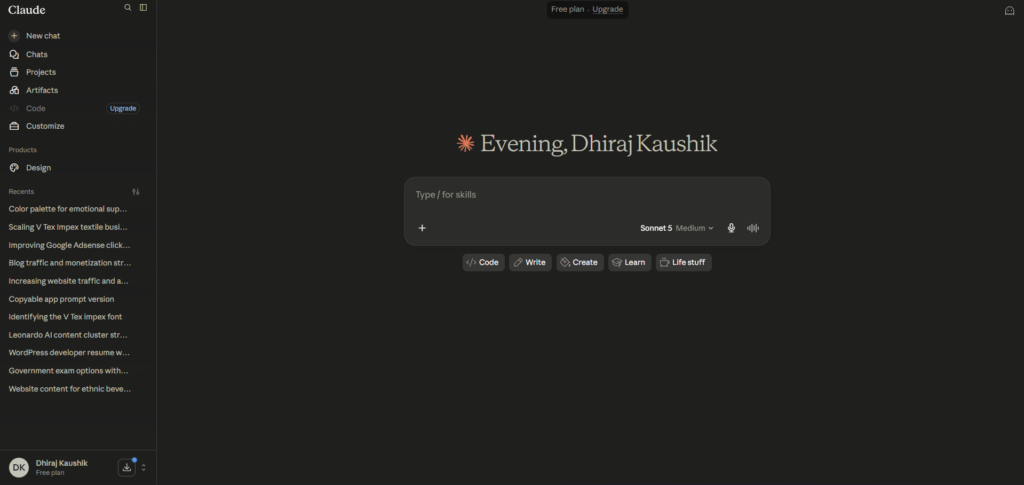
What sets Claude apart in this space is a writing style that consistently avoids the over-formatted, bullet-heavy output that has become a recognizable pattern in AI generated text. Ask Claude for a piece of prose without specifying a format, and it defaults to actual paragraphs and varied sentence structure rather than reaching for headers and lists the way some competing tools do by default.
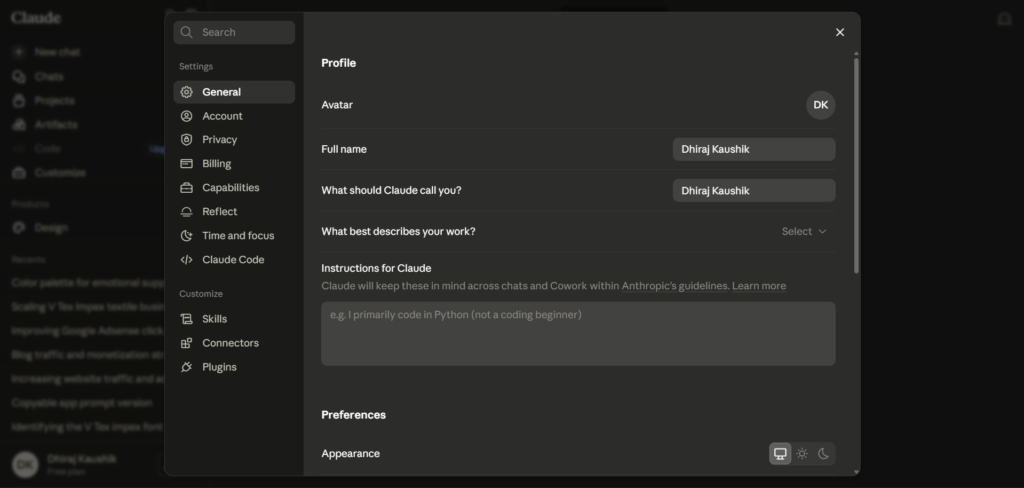
Claude includes a feature called Styles, which lets you define and save a specific tone or voice, then apply it consistently across future conversations rather than re-explaining your preferred style every single time. For a freelance writer juggling multiple clients with different tone requirements, this removes a meaningful amount of repetitive prompt engineering that would otherwise eat into actual writing time.
Anthropic’s Constitutional AI training approach, the same one covered in our full Claude AI review, also shows up specifically in writing output. Claude tends to push back gently on requests for content that is misleading, manipulative, or ethically questionable, which occasionally frustrates marketers writing intentionally persuasive copy, but generally produces more balanced, trustworthy prose for anyone writing informational or educational content.
Why Writers Reach for a General Assistant Instead of a Writing-Specific Tool?
It might seem counterintuitive that a general purpose assistant would attract serious writers away from tools built specifically for writing, but the reasoning tends to hold up under scrutiny. Dedicated writing tools often lock you into specific templates or genre assumptions, which works well if your writing fits neatly into that category and poorly if it does not. Claude’s general purpose design means it adapts to whatever format or genre you actually need, rather than nudging you toward whatever the tool was originally built around.
This flexibility comes with a tradeoff worth being honest about. A tool built specifically for one genre, fiction, marketing copy, technical documentation, will generally include specialized scaffolding that a general assistant lacks entirely. The right choice genuinely depends on whether your writing work spans multiple formats, which favors a flexible general tool, or concentrates heavily in one specific genre, which favors a specialized one.
How Claude AI Handles Writing Tasks
Claude approaches writing tasks by first trying to understand the intent behind a request rather than pattern matching to a generic template. Ask it to write a blog introduction and it will typically ask itself, in effect, what tone and audience fit before generating text, which shows up in output that feels more considered than a first pass from a template based tool.
Tone and Voice Consistency
Long writing projects, a full article, a chapter, an ongoing content series, benefit from Claude’s ability to hold tone consistently across a long single conversation. Where some tools drift subtly in voice across a long generated piece, Claude tends to stay closer to whatever tone was established in the opening exchange, particularly when that tone has been explicitly defined through Styles or custom instructions. This consistency matters more than it might initially seem, since inconsistent tone is one of the fastest ways a reader can tell a piece was assembled rather than written coherently from start to finish.
Editing and Feedback on Existing Drafts
Beyond generating new text, Claude performs well as an editor for work you have already written. Pasting a draft and asking for specific feedback, on clarity, pacing, or argument strength, tends to produce more useful, specific commentary than a generic “make this better” request would return from most tools, since Claude generally explains its reasoning for suggested changes rather than just rewriting silently.
Research-Grounded Writing
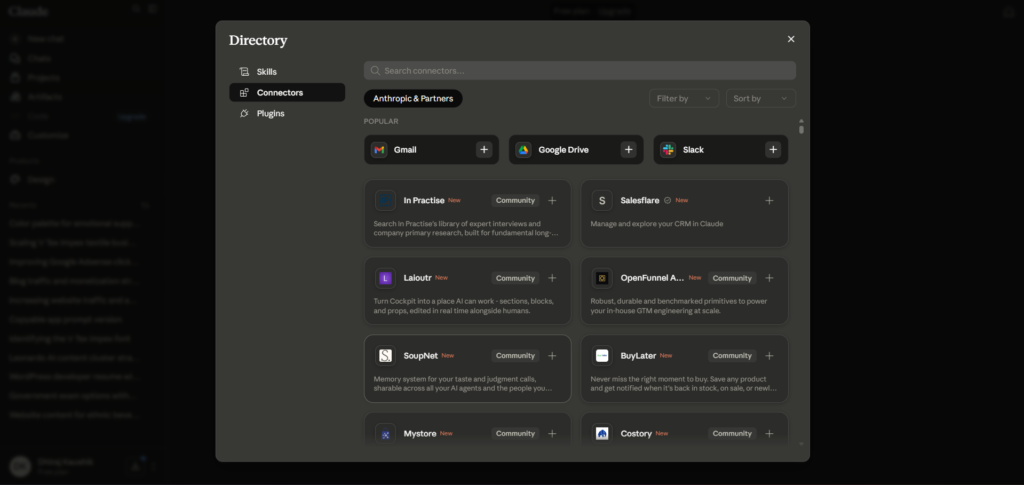
For nonfiction and journalistic writing specifically, Claude’s web search feature lets it ground claims in current, verifiable sources rather than relying purely on training data. This matters meaningfully for writers covering fast moving topics, where an assistant working only from a fixed training cutoff would confidently present outdated information as current fact.
This grounding also changes how the writing itself gets structured. When Claude pulls from live sources, it tends to naturally attribute claims to those sources rather than stating them as flat, uncontextualized facts, which produces prose that is easier to fact check and, frankly, more honest about where specific claims actually originated.
Step-by-Step Guide to Using Claude AI for Writing
Here is how to actually build Claude into a writing workflow rather than just using it for one-off requests.
Step 1: Define a Style Before You Start Drafting
Set up a Style describing your preferred tone, sentence length, and any specific phrases or words you want avoided. Doing this once at the start of a project saves significant re-explaining across every future session working on the same body of writing.
Step 2: Use a Project for Ongoing Writing Work
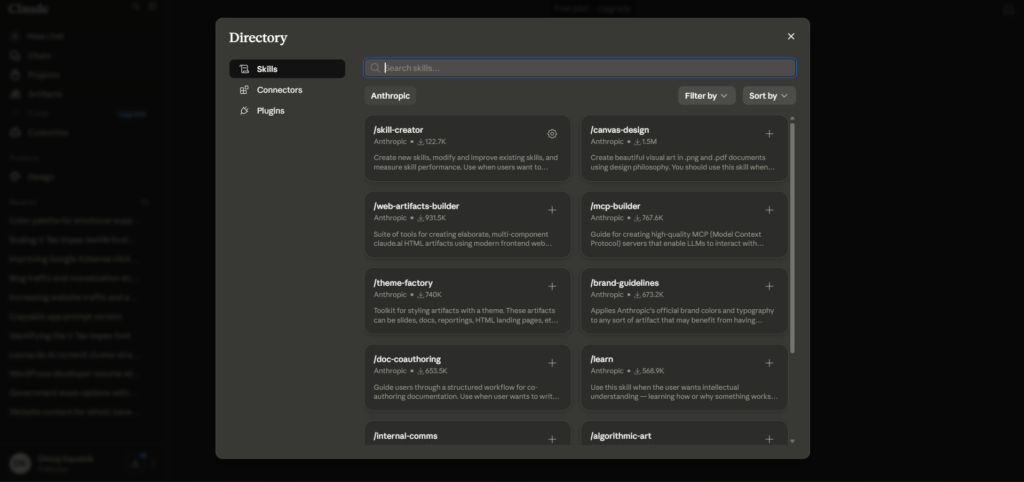
If you are working on a book, a long running content series, or a client account, set up a Project and upload style guides, past published pieces, or brand guidelines. This keeps Claude grounded in your specific established voice rather than a generic interpretation of your instructions.
Step 3: Draft in Sections Rather Than All at Once
For longer pieces, ask Claude to draft one section at a time rather than an entire piece in a single request. This gives you more control to redirect tone or content early, before an entire flawed direction has already been fully written out, and it also keeps each individual response focused and easier to evaluate critically.
Step 4: Ask for Specific Feedback on Your Own Drafts
Write your own first pass, then paste it in and ask targeted questions, such as whether the opening hooks effectively or whether a specific paragraph’s argument holds together. Specific questions consistently produce more useful feedback than a general request to improve the whole piece.
Step 5: Use Web Search to Fact-Check Your Own Claims
Before publishing anything with factual claims, statistics, or current events, ask Claude to verify specific statements using web search rather than assuming its training data is current. This catches outdated information before it reaches a reader rather than after.
Step 6: Read Everything Aloud Before Finalizing
This step has nothing to do with Claude directly, but it matters enough to include. AI generated or AI assisted text can read smoothly on the page while still sounding subtly off when read aloud, and reading your final draft aloud catches rhythm and word choice issues that silent reading tends to miss entirely, regardless of whether a human or an AI drafted the original text.
Key Benefits of Claude AI for Writers
Claude’s default writing style genuinely reduces the editing burden compared to tools that lean heavily on bullet points and bolded headers by default. For anyone producing content meant to be read as continuous prose rather than skimmed, this single difference can save a meaningful amount of reformatting time across a large volume of published work.
The Styles feature solves a real, recurring problem for freelance and agency writers juggling multiple distinct voices across different clients or projects. Rather than re-explaining tone preferences at the start of every session, a saved Style applies consistently, which compounds into real time savings across weeks of ongoing client work.
Claude’s tendency to explain its editing reasoning, rather than silently rewriting a passage, functions similarly to working with a human editor who tells you why a change improves the piece. This matters for skill development specifically, since writers who understand the reasoning behind suggested edits improve their own instincts over time in a way that silent auto-correction never teaches.
Long context handling benefits writers working on book length projects or extended content series specifically, since Claude can reference earlier chapters or pieces when asked about consistency, character details, or previously established facts, without needing those details manually re-summarized in every new conversation.
Claude’s general resistance to producing hollow, keyword-stuffed content also benefits writers working in search engine optimized spaces specifically. Rather than defaulting to repetitive, mechanically inserted keyword phrasing, it tends to write toward genuine clarity first, which usually produces content that reads better for actual human readers while still covering the necessary topics naturally.

Comparison Table
| Tool Name | Standout Feature | Best Writing Use Case | Editing Feedback Quality | Monthly Cost |
|---|---|---|---|---|
| Claude AI | Natural prose, low bullet-point bias | Long form, editorial, journalism | Explains reasoning behind edits | Free, then $20 |
| ChatGPT | Broad creative and format flexibility | General content, brainstorming | Solid, occasionally generic | Free, then $20 |
| Jasper AI | Marketing-focused templates and brand voice | Ad copy, marketing campaigns | Template-driven, less conversational | From $49 |
| Sudowrite | Fiction-specific tools like Story Bible | Novels and long-form fiction | Fiction-focused, not general editing | From $19 |
| Grammarly | Grammar and clarity checking | Line-level editing and proofreading | Strong on mechanics, weak on structure | Free, then $12 |
Pricing reflects publicly listed rates as of mid-2026. Tools built specifically for one genre, like Sudowrite for fiction or Jasper for marketing, often outperform a general assistant like Claude within that narrow use case, so the right choice depends heavily on what kind of writing you actually do most.

Who Claude AI for Writers Actually Works Best For?
Freelance writers and content marketers producing a high volume of long form articles across different clients get significant value from Claude’s Styles feature and its default tendency toward natural, readable prose. The reduced editing time across dozens of pieces a month adds up to real hours saved compared to tools requiring heavier post generation cleanup.
Nonfiction writers and journalists covering research heavy topics benefit from Claude’s web search grounding and its general tendency to express uncertainty rather than confidently stating something unverified. This matters more in nonfiction than almost any other writing category, where a false claim stated confidently can undermine an entire piece’s credibility.
Novelists and fiction writers working on very long projects may find Claude useful for editing feedback and consistency checking, but should know it lacks the fiction specific scaffolding, character bibles, plot outlining templates, that dedicated tools like Sudowrite are built around specifically. Many fiction writers end up using both, Claude for editorial feedback and Sudowrite for the actual generative drafting work.
Marketing copywriters producing high volumes of ad copy or landing page variations are generally better served by a template driven tool like Jasper, since Claude’s more conversational, general purpose design was not built around the rapid, format specific iteration that marketing copy work typically demands. Copywriters occasionally still use Claude for brand voice documentation or strategic messaging work, where the conversational, reasoning based approach fits better than a templated tool designed for rapid variation generation.
Technical writers and documentation specialists represent another group worth mentioning specifically, since Claude’s ability to hold broad context and explain complex processes clearly translates well to writing user guides, API documentation, and internal knowledge base articles. The same qualities that make it useful for explaining code inside Claude Code carry over naturally into writing clear instructions for human readers about how that code or process actually works.
FAQ
Can Claude AI write an entire book for me?
Claude can help draft sections of a book, provide editorial feedback, and maintain consistency across a long project when used through Projects with prior chapters uploaded for context, but it is not designed to autonomously produce a complete, publication ready manuscript from a single prompt. Most successful long form projects using Claude involve drafting in sections with active human direction and revision throughout, rather than a single request generating a finished book. Treating it as a collaborative drafting partner rather than a ghostwriter tends to produce meaningfully better results, and it also keeps the final voice recognizably yours rather than a generic approximation of what a book on your topic might sound like.
Is Claude AI better than ChatGPT for writing?
For long form writing that needs to read as natural, continuous prose without heavy formatting, Claude generally produces cleaner first drafts requiring less editing than ChatGPT’s default output style. ChatGPT offers more built in creative flexibility and multimodal features like image generation alongside text, which some writers building visual content alongside written work find valuable. We broke this comparison down in much more depth elsewhere, but the short version is that the better choice depends on whether your priority is polished prose requiring minimal cleanup, which favors Claude, or broader built in creative tools in one subscription, which favors ChatGPT.
Does Claude AI plagiarize or copy other writers’ work?
Claude is trained to generate original text based on patterns learned during training rather than to reproduce specific existing works verbatim, and Anthropic has built in safeguards against directly reproducing copyrighted material like song lyrics or lengthy passages from books and articles. That said, no AI writing tool is completely immune to producing text that closely resembles existing published work, especially on narrow or heavily covered topics, so running any AI assisted writing through a plagiarism checker before publishing remains good practice regardless of which tool you use. This is particularly worth doing for content in competitive, heavily written about niches where genuine overlap in phrasing becomes statistically more likely.
Can Claude AI match my specific writing voice?
Claude can approximate a specific voice reasonably well when given clear examples of your past writing and explicit style instructions, particularly when set up through the Styles feature or a Project containing sample pieces. It will not perfectly replicate your exact voice without that setup, and even with good examples, some manual editing is usually still needed to fully match the subtle, specific choices that make a writer’s voice genuinely their own rather than a close approximation of it.
Is Claude AI good for fiction writing specifically?
Claude can be useful for fiction writing, particularly for editorial feedback, plot consistency checking, and dialogue refinement, but it lacks the purpose built scaffolding that dedicated fiction tools like Sudowrite offer, such as character bibles and genre specific generation templates. Many fiction writers use Claude alongside a dedicated fiction tool rather than as a replacement, leaning on Claude specifically for the editing and consistency review stage rather than the initial generative drafting stage.
How much does Claude AI cost for professional writing use?
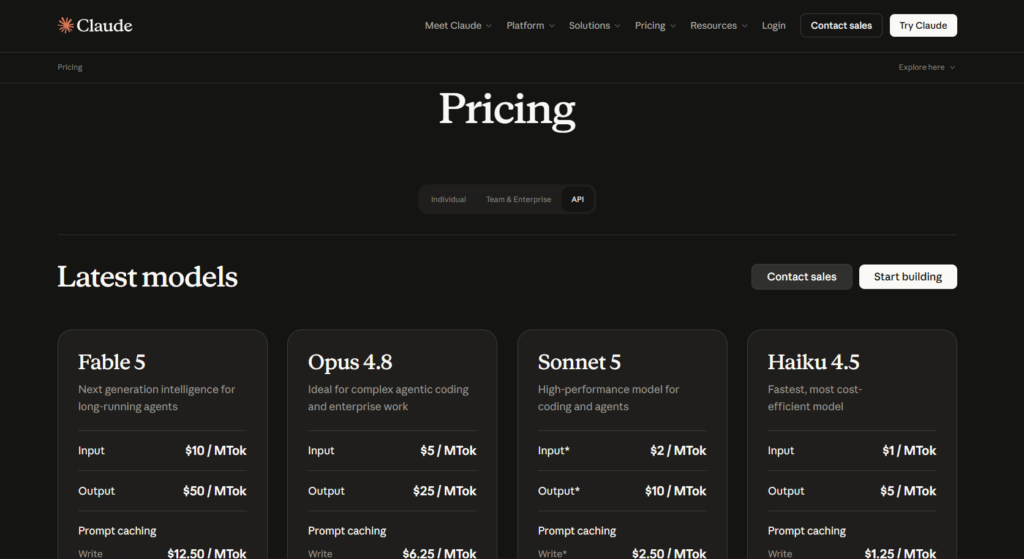
Claude Pro costs twenty dollars a month and includes Projects, Styles, and web search, which covers the needs of most individual professional writers producing regular content. Heavier daily users running into Pro’s usage limits, particularly those working across multiple long documents simultaneously, may need to consider Max at one hundred or two hundred dollars monthly, though this is generally unnecessary for standard freelance or blogging workloads.
Final Thoughts
Claude AI for writers earns its reputation specifically in the areas where natural sounding prose and thoughtful editorial feedback matter most, long form content, journalism, and editing existing drafts. It is not trying to be a fiction specific tool or a marketing copy generator, and writers expecting either of those specialized experiences will likely find a dedicated tool serves them better in that narrow lane.
The Styles feature and Projects together solve a genuinely practical problem for professional writers juggling multiple voices and ongoing bodies of work, something worth weighing against Claude’s overall pricing structure if you are deciding whether the twenty dollar monthly cost fits your specific writing workload.
For writers early in their career specifically, there is a real argument for using Claude primarily as a feedback and editing tool rather than a drafting tool, at least while you are still developing your own voice. Leaning too heavily on generated first drafts before your own instincts are established risks flattening your writing toward whatever Claude’s default style happens to be, rather than developing something recognizably your own.
If your writing work is primarily long form prose rather than templated marketing copy or genre fiction, Claude is worth testing on your actual next piece rather than a generic sample prompt, since the difference shows up most clearly on real work with real stakes attached.
External Links: